
Endoscopy in Singapore: What to Expect, Preparation, Procedure & Finding a Specialist
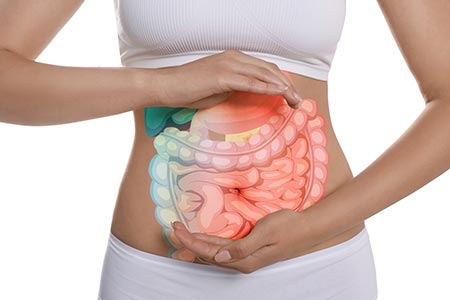
If you have been advised to undergo “endoscopy” in Singapore, you may have questions about what the procedure involves, how to prepare, and what to expect afterwards. The term “endoscopy” covers several procedures used to examine different parts of the digestive system, most commonly gastroscopy and colonoscopy.
An endoscopy may be recommended to investigate persistent or unexplained digestive symptoms, assess an abnormal test result, investigate bleeding, or screen for certain conditions. The appropriate procedure depends on the symptoms, medical history and clinical assessment.
This guide explains what an endoscopy procedure may involve, the differences between gastroscopy and colonoscopy, endoscopy preparation, endoscopy sedation, recovery and how to choose an appropriate endoscopy specialist.
What Is Endoscopy?
Endoscopy refers to procedures that use a flexible instrument called an endoscope to examine the inside of the gastrointestinal tract. The endoscope has a small camera that allows the specialist to view the lining of the area being examined.
Depending on the part of the digestive system being assessed, the procedure may be called a gastroscopy or colonoscopy.
The endoscope also allows the specialist to perform certain procedures during the examination when clinically appropriate. For example, tissue samples can be taken for biopsy, and some polyps can be removed during colonoscopy.
An endoscopy procedure therefore provides both diagnostic and, in selected circumstances, therapeutic capabilities. The specific procedure recommended will depend on what needs to be investigated or treated.
Gastroscopy vs Colonoscopy: What’s the Difference?
Gastroscopy and colonoscopy are both forms of gastrointestinal endoscopy, but they examine different parts of the digestive tract.
Gastroscopy, also known as upper gastrointestinal endoscopy or oesophagogastroduodenoscopy (OGD), examines the oesophagus, stomach and duodenum. The endoscope is introduced through the mouth.
Gastroscopy may be recommended for symptoms such as persistent reflux, difficulty swallowing, upper abdominal pain or suspected upper gastrointestinal bleeding.
For more information about the procedure, see our guide to gastroscopy in Singapore.
Colonoscopy examines the colon and rectum. The endoscope is introduced through the anus and allows the specialist to examine the lining of the large intestine.
Colonoscopy may be recommended to investigate symptoms such as rectal bleeding or persistent changes in bowel habits, or for colorectal cancer screening when appropriate.
Gastroscopy and Colonoscopy Compared
Feature | Gastroscopy (Upper Endoscopy) | Colonoscopy (Lower Endoscopy) |
|---|---|---|
What it examines | Oesophagus, stomach and duodenum (upper digestive tract) | Large intestine (colon) and rectum (lower digestive tract) |
Point of entry | Through the mouth | Through the anus/rectum |
Common reasons for investigation | Reflux, difficulty swallowing, upper abdominal symptoms or suspected upper gastrointestinal bleeding | Rectal bleeding, persistent changes in bowel habits, unexplained anaemia or colorectal cancer screening |
Preparation | Fasting is generally required | Restricted diet and special preparation are required to clear the colon with laxatives/bowel prep |
Typical duration | Often around 15–30 minutes | Often around 30–60 minutes, depending on the procedure and findings |
In some circumstances, gastroscopy and colonoscopy may be performed during the same session. Whether this is appropriate depends on the patient’s symptoms, clinical assessment and the reason for investigation.
Symptoms That May Warrant an Endoscopy
There is no single symptom that automatically means an endoscopy is required. The decision depends on the nature and duration of symptoms, medical history, age, family history, previous investigations and other risk factors.
Symptoms that may warrant further assessment include:
- Persistent or troublesome heartburn or acid reflux
- Difficulty or pain when swallowing
- Persistent or unexplained abdominal pain
- Unexplained weight loss
- Rectal bleeding or blood in the stool
- A persistent change in bowel habits
- Iron deficiency anaemia without an established cause
- A family history of colorectal cancer or colorectal polyps
These symptoms can have many possible causes and do not necessarily indicate a serious condition. An endoscopy may be recommended when direct examination of the digestive tract would help clarify the cause or guide further management.
The type of endoscopy depends on the symptoms and the area requiring assessment. For example, upper gastrointestinal symptoms may lead to consideration of gastroscopy, while symptoms involving the colon or rectum may require colonoscopy.
How to Prepare for Your Endoscopy Appointment
Endoscopy preparation varies depending on the procedure being performed. The preparation for gastroscopy is different from the preparation required for colonoscopy.
Patients should follow the specific instructions provided by their medical team rather than relying on general preparation advice, as fasting, medication and bowel preparation requirements can vary according to the procedure and individual circumstances.
Fasting and Dietary Restrictions
For gastroscopy, fasting is generally required so that the stomach is sufficiently empty for the examination.
The exact fasting period and instructions about clear fluids will be provided by the clinic or medical team. Patients should follow those instructions carefully.
Medication instructions also vary. Some medications may be continued with a small amount of water, while others may require adjustment before the procedure.
If you take regular medication, particularly medicines that affect blood clotting or blood glucose, discuss this with your medical team before the procedure rather than stopping medication independently.
Bowel Preparation for Colonoscopy
Colonoscopy requires the colon to be sufficiently clear for the specialist to examine the bowel lining and identify abnormalities such as polyps or inflammation.
Bowel preparation usually involves a prescribed laxative preparation together with dietary restrictions before the procedure. The exact regimen varies according to the preparation used and the individual patient’s circumstances.
It is important to follow the written bowel preparation instructions provided by the clinic. Inadequate preparation can affect the quality of the examination and, in some circumstances, may mean that the colonoscopy needs to be repeated.
Medications and Getting Home Safely
Before an endoscopy, tell your medical team about all medications you take, including medicines that affect blood clotting, diabetes medication and any supplements.
Some medications may need to be adjusted before the procedure, particularly if a biopsy or polyp removal is anticipated. However, medication should not be stopped or changed without appropriate medical advice.
If sedation is planned, you should also arrange appropriate transport home and follow the clinic’s instructions about driving and other activities afterwards.
What Happens During the Procedure and the Role of Sedation
Step by Step: During the Endoscopy
The exact steps depend on whether you are undergoing gastroscopy, colonoscopy or another form of endoscopy.
For a gastroscopy procedure, you generally lie on your side. A mouth guard is used to protect the teeth, and the gastroscope is passed through the mouth into the oesophagus, stomach and duodenum.
For a colonoscopy procedure, you generally lie on your side while the colonoscope is introduced through the anus and guided through the colon. The specialist may adjust your position during the procedure when necessary.
During the endoscopy procedure, the specialist examines the lining of the gastrointestinal tract and, when clinically appropriate, may take biopsies or perform procedures such as polyp removal.
The duration depends on the type of procedure, the findings and whether additional procedures are required.
Endoscopy Sedation
Depending on the clinical circumstances and the patient’s preference, gastroscopy may be performed with local throat anaesthetic or with sedation.
The most appropriate approach depends on factors such as the patient’s medical history, level of anxiety, the nature of the procedure and other clinical considerations.
Local Anaesthesia (Throat Spray)
For gastroscopy, a local anaesthetic spray can be used to numb the back of the throat and reduce the gag reflex. You remain awake during the procedure, although you will not be able to speak while the gastroscope is in place.
Moderate Sedation (Conscious Sedation)
Gastroscopy and colonoscopy may also be performed with intravenous (IV) sedation. Medication is administered through an intravenous line to help the patient relax and improve comfort during the procedure. You may feel drowsy, but you may remain awake and responsive during the procedure.
The level of sedation and monitoring will depend on the individual patient and the circumstances of the procedure.
Intravenous Sedation with Monitored Anaesthesia Care
Gastroscopy and colonoscopy at ELEVATE Gastroenterology can also be performed with intravenous sedation and monitored anaesthesia care under the supervision of an anaesthetist.
This approach may involve a deeper level of sedation than standard IV sedation, with the level of sedation and monitoring tailored to the individual patient and the procedure, with appropriate attention to patient comfort and safety.
If sedation or monitored anaesthesia care is used, you will need to remain under observation until you have recovered sufficiently. You should also follow the specific post-procedure instructions given by your medical team regarding driving, work and other activities.
General Anaesthesia
This involves a breathing tube attached to a ventilator. It is usually reserved for more complex cases or specific patient conditions.
Is Endoscopy Painful?
The experience of an endoscopy varies between patients and depends on the type of procedure, the sedation or anaesthesia used and individual clinical circumstances.
During gastroscopy, a local throat anaesthetic or sedation may be used to improve comfort. Some patients may experience a temporary gagging sensation or awareness of the gastroscope passing through the throat.
During colonoscopy with moderate or conscious sedation, some patients may experience pressure, abdominal fullness or bloating as the colonoscope is advanced through the bowel.
If biopsies are taken, these are generally not felt. Polyps that are suitable for removal may also be removed during the same colonoscopy when clinically appropriate.
Your gastroenterologist can explain what to expect and discuss the most appropriate approach to endoscopy sedation based on your individual circumstances.
Recovery, Results and What Endoscopy Can Detect
Recovery and Aftercare
After the procedure, patients are usually observed in a recovery area while the effects of sedation wear off.
Some people may feel tired or drowsy afterwards. The medical team will provide instructions about eating, drinking, driving, medication and other activities based on the procedure and sedation used.
Mild bloating or abdominal discomfort can occur after colonoscopy, while a temporary sore throat may occur after gastroscopy.
Patients should follow the individual aftercare instructions provided by their medical team. If significant or unexpected symptoms occur, the clinic should be contacted for advice.
Understanding Your Results
Some findings can be discussed shortly after the procedure. If biopsies have been taken, however, the results will require laboratory analysis and will not be available immediately.
The specialist can explain the findings from the procedure and whether further investigation, treatment or follow-up is recommended.
Where biopsy or other laboratory results are pending, a subsequent consultation may be arranged to review the complete findings and discuss the next steps.
Conditions Endoscopy Can Detect
An endoscopy can help investigate a range of gastrointestinal conditions. Depending on the type of procedure, findings may include:
- Oesophagitis and other abnormalities affecting the oesophagus
- Gastritis and other abnormalities of the stomach lining
- Stomach or duodenal ulcers
- Gastroesophageal reflux disease (GERD) and related changes
- Colorectal polyps
- Inflammatory bowel disease, including Crohn’s disease and ulcerative colitis
- Sources of gastrointestinal bleeding
- Other abnormalities requiring further investigation
Colonoscopy can also identify colorectal polyps, some of which may be removed during the procedure. The type, size, number and pathological characteristics of polyps help determine whether further surveillance is recommended.
For patients considering screening, colon cancer screening in Singapore can provide further information about the important role of colonoscopy in colorectal cancer prevention and early detection.
Choosing the Right Endoscopy Specialist in Singapore
When considering an endoscopy specialist, patients may wish to look beyond the availability of the procedure itself.
Relevant factors include specialist training, experience with the procedure being recommended, the range of gastrointestinal conditions managed, the approach to sedation, and the arrangements for communicating results and providing follow-up care.
For more specialised endoscopic procedures, relevant procedural experience is also an important consideration.
A specialist should be able to explain:
- Why the procedure has been recommended
- What the procedure is intended to investigate
- What preparation is required
- What sedation options are available
- Whether biopsies or polyp removal may be required
- How findings and pathology results will be discussed
- What follow-up may be required
Questions to Ask Before Booking
Patients may wish to ask:
- What type of endoscopy is recommended and why?
- What preparation will be required?
- What type of sedation or anaesthesia will be used?
- Who will perform the procedure?
- What happens if a biopsy or polyp is identified?
- How will the results be communicated?
- What follow-up will be provided after the procedure?
There is no single measure that determines which specialist is right for every patient. The appropriate choice will depend on the individual’s symptoms, medical history, the procedure required and personal preferences.
Taking the Next Step Towards a Consultation
If an endoscopy has been recommended, the first step is generally a specialist consultation to understand why the procedure may be appropriate and what it would involve.
Patients seeking a private gastroenterologist in Singapore may value factors such as appointment flexibility, continuity with the same specialist, personalised consultation and a private clinical environment. However, the appropriate pathway will depend on the patient’s medical needs and circumstances.
If the main concern is reflux or persistent heartburn, a GERD specialist in Singapore can assess the symptoms and determine whether gastroscopy or another investigation may be appropriate.
For patients who require colonoscopy, a colonoscopy doctor can discuss the reason for the procedure, preparation, findings and any treatment that may be performed during the examination.
Patients seeking specialist endoscopic assessment can also consider an endoscopy specialist in Singapore who can assess whether gastroscopy, colonoscopy or another form of endoscopy is appropriate.
Understanding the purpose of an endoscopy, the preparation involved and what happens during and after the procedure can help patients make an informed decision about their care.
ELEVATE Gastroenterology: Specialist-Led Digestive Care
ELEVATE Gastroenterology is a private specialist gastroenterology clinic in Singapore providing personalised care for patients with gastrointestinal concerns.
Led by Dr Constantinos Anastassiades, Senior Consultant Gastroenterologist with over 25 years of international experience, the clinic provides specialist assessment and a range of diagnostic and therapeutic gastrointestinal services.
These include:
- Gastroscopy (OGD)
- Specialist gastroenterology consultation
- Colonoscopy
- Polyp detection and removal (polypectomy)
- Endoscopic ultrasound (EUS)
- Endoscopic retrograde cholangiopancreatography (ERCP)
- Second opinions
- Preventive gastrointestinal care
Located at Camden Medical Centre, ELEVATE Gastroenterology provides specialist-led care with an emphasis on continuity and individualised assessment.
For patients seeking assessment of persistent digestive symptoms, a second opinion, or investigation such as gastroscopy or colonoscopy, the appropriate next step is a consultation to determine what evaluation or treatment may be required.
Contact Us
Address: 1 Orchard Boulevard #08-06, Camden Medical Centre, Singapore 248649
Email: contact@elevategastro.sg
Tel.: +65 6970 6670
WhatsApp: +65 8852 3315

