
Gastroenterologist in Singapore: Signs, Treatments, and How to Choose the Right Specialist
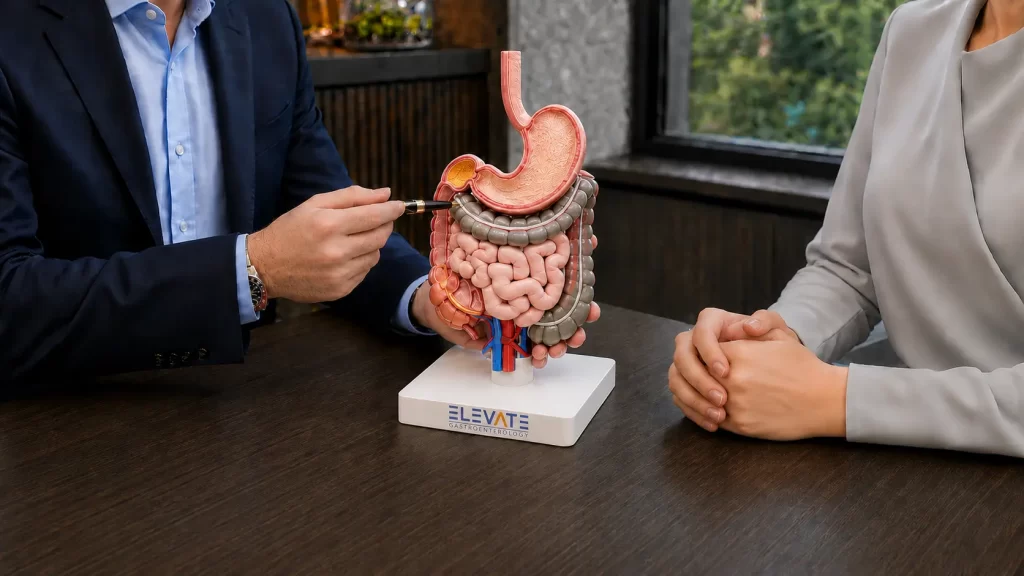
Digestive symptoms are common and can have many possible causes. Occasional indigestion, bloating or heartburn may settle without treatment. However, persistent, recurrent or unexplained symptoms, particularly when associated with other concerning features, may warrant further assessment.
A gastroenterologist in Singapore is a specialist doctor who evaluates and treats conditions affecting the digestive system, including the oesophagus, stomach, small intestine, colon, liver, gallbladder and pancreas.
Your doctor may recommend consultation with a gastroenterologist when symptoms require specialist assessment, when initial investigations have not provided an explanation, or when further investigation or treatment is needed.
This guide explains what are 7 signs it’s time to see a gastroenterologist, what treatment of gastroenterology conditions may involve, and some factors to consider when choosing a specialist.
What Are 7 Signs It’s Time to See a Gastroenterologist?
There is no single symptom that determines whether someone needs to see a gastroenterologist. The decision depends on the nature and duration of symptoms, medical history, age, family history, risk factors, and previous investigations.
However, certain symptoms warrant medical assessment, particularly when they are persistent, recurrent, or unexplained.
1. Persistent Heartburn or Reflux
Occasional heartburn is common. Persistent or troublesome reflux symptoms, particularly when they do not improve with appropriate treatment, may require further assessment.
A gastroenterologist can determine whether additional investigation, such as gastroscopy, is appropriate and whether there are complications associated with reflux.
2. A Persistent Change in Bowel Habits
A new and persistent change in bowel habits, including constipation or diarrhoea, may have a number of causes.
The significance depends on factors such as duration, age, family history and accompanying symptoms. Further assessment may be appropriate when the change is unexplained or persists.
3. Rectal Bleeding
Rectal bleeding should not automatically be attributed to haemorrhoids.
Although haemorrhoids are a common cause, bleeding can also occur with conditions affecting the colon and rectum, including polyps, inflammatory bowel disease and, in some cases, colorectal cancer.
The appropriate investigation depends on the individual’s circumstances.
4. Persistent or Unexplained Abdominal Pain
Abdominal pain can arise from many different conditions.
Persistent, recurrent, severe, or unexplained pain may require assessment to determine whether the cause is gastrointestinal or whether another medical condition should be considered.
5. Persistent Bloating
Bloating is common and may be related to diet or normal digestive processes. Persistent or troublesome bloating, particularly when associated with other symptoms, may warrant further evaluation.
6. Difficulty Swallowing
Difficulty swallowing, also known as dysphagia, can affect the passage of food or liquids from the mouth towards the stomach.
A sensation of food becoming stuck should be assessed, particularly when it is persistent or worsening. Depending on the clinical assessment, investigations such as gastroscopy may be recommended.
7. Unexplained Weight Loss
Unintentional weight loss without a clear explanation can have many causes and should be assessed rather than assumed to be related to diet or lifestyle.
The need for gastrointestinal investigation will depend on the individual’s symptoms, medical history, and other clinical findings.
If you have one or more of these symptoms, a consultation with a gastroenterologist in Singapore can help determine whether further investigation is appropriate.
What Is the Treatment of Gastroenterology Conditions and What to Expect
Treatment of gastroenterology conditions may involve a broad range of investigations and care, as gastroenterology encompasses many conditions affecting the digestive system.
A gastroenterology service may include specialist consultation, diagnostic investigations, endoscopic procedures and ongoing treatment, depending on the patient’s symptoms, diagnosis and individual needs.
Treatment is not the same for every patient. A gastroenterologist will generally begin by understanding the symptoms, medical history, family history, diet and lifestyle, as well as previous investigations and relevant risk factors.
Depending on the clinical assessment, further investigations or treatment may include:
Gastroscopy
Gastroscopy, or oesophagogastroduodenoscopy (OGD), allows direct examination of the oesophagus, stomach and duodenum using a flexible camera to assess for conditions such as ulcers, inflammation or other abnormalities.
It may be recommended for symptoms such as persistent reflux, trouble swallowing (dysphagia), stomach pain or upper abdominal pain, or suspected upper gastrointestinal bleeding. Biopsies can also be taken when clinically appropriate.
Colonoscopy
Colonoscopy allows a specialist to examine the colon and rectum. It may be recommended to investigate symptoms such as rectal bleeding or persistent changes in bowel habits, or as part of routine colorectal cancer screening for average-risk individuals aged 45 and above, or earlier depending on family history and other risk factors.
If a colonoscopy is recommended, a colonoscopy doctor in Singapore can explain the purpose of the procedure, preparation requirements, and whether biopsies or polyp removal may be necessary.
Polyp Detection and Removal
Polyps are areas of abnormal tissue that may develop in the gastrointestinal tract.
When appropriate, polyps identified during colonoscopy can be removed during the same procedure. The type and characteristics of a polyp help determine its significance and whether further surveillance is required.
Endoscopic Ultrasound (EUS)
Endoscopic ultrasound combines endoscopy with ultrasound imaging to provide detailed assessment of the gastrointestinal tract and surrounding structures.
It can be particularly useful when further assessment is needed, providing a closer look at organs and tissues around the gastrointestinal tract, including structures such as the pancreas and bile ducts.
Endoscopic Retrograde Cholangiopancreatography (ERCP)
ERCP is a specialised endoscopic procedure used primarily for the treatment of certain conditions affecting the bile ducts and pancreatic ducts.
For example, it may be used to remove a stone from the bile duct or to manage certain forms of biliary obstruction.
Unlike purely diagnostic endoscopy, ERCP is now primarily used as a therapeutic procedure when appropriate.
Treatment Approaches for Common Digestive Conditions
Once a diagnosis has been established, treatment is tailored to the specific condition and the individual patient. The appropriate treatment plan depends on the individual diagnosis, clinical findings, medical history, and response to treatment.
Gastroesophageal Reflux Disease (GERD)
Treatment for GERD may include lifestyle measures and medication to reduce or control acid reflux.
For patients with persistent symptoms or features that warrant further investigation, a GERD specialist in Singapore can assess whether additional investigations such as gastroscopy are appropriate.
Irritable Bowel Syndrome (IBS)
IBS is a functional gastrointestinal disorder characterised by symptoms such as abdominal pain associated with changes in bowel habits.
Diagnosis is based on the clinical history and appropriate assessment, while treatment may include dietary measures, stress management, lifestyle modification and medication depending on the individual’s symptoms.
Inflammatory Bowel Disease (IBD)
Inflammatory bowel disease includes Crohn’s disease and ulcerative colitis.
Assessment may involve blood or stool tests, imaging and endoscopic examination, including colonoscopy with biopsies when appropriate. Treatment depends on the type, extent and activity of the disease and may include medication to control inflammation and maintain remission.
Gallstones and Biliary Conditions
Gallstones do not always require treatment. When they cause symptoms or complications, treatment depends on where the stones are located and the clinical circumstances.
If a stone has entered the bile duct and requires endoscopic removal, ERCP may be appropriate in selected cases.
Colorectal Polyps
Colorectal polyps can be identified during colonoscopy and, when appropriate, removed during the same procedure.
The number, size, type, and pathological characteristics of polyps help determine whether further surveillance is recommended and the appropriate surveillance interval.
How to Choose a Gastroenterologist in Singapore
When considering how to choose a good gastroenterologist, patients may wish to look beyond convenience alone.
Relevant factors include the specialist’s training and experience, the types of gastrointestinal conditions and procedures they manage, and the quality of communication and follow-up provided.
Training and Specialist Experience
Gastroenterology encompasses a broad range of conditions and procedures. Appropriate specialist training and experience are important, particularly when endoscopic investigation or treatment is required.
For more specialised procedures such as EUS and ERCP, relevant procedural experience is also an important consideration.
Clear Communication
A specialist should be able to explain the possible causes of symptoms, the purpose of recommended investigations and the available treatment options in language that patients can understand.
Good communication also includes explaining findings and what they mean for the next stage of care.
Individualised Assessment
Digestive symptoms can have overlapping causes. A careful assessment considers the individual patient’s symptoms, medical history, family history, risk factors and previous investigations, helping the specialist develop a patient-centred approach rather than applying a generic approach.
Continuity of Care
For some patients, it may be helpful to have continuity between the initial consultation, investigations or procedures, discussion of results and subsequent treatment.
This can be particularly relevant when symptoms are complex or when more than one investigation is required.
Appropriate Facilities and Support
For patients undergoing treatment of gastroenterology conditions or endoscopic procedures, appropriate care facilities, environment, equipment, monitoring and medical support are important considerations for comfort and safety.
Patients searching for the best gastroenterologist Singapore has to offer may come across a range of information online. However, there is no single measure that determines which specialist is right for every patient. Individual needs, symptoms, medical history and clinical circumstances will differ.
When choosing a gastroenterologist, patients may wish to consider factors such as specialist training, clinical experience, areas of expertise, approach to investigation and treatment, communication and continuity of care.
At ELEVATE Gastroenterology, we believe specialist care should be grounded in clinical expertise, individualised assessment and continuity of care, with the focus on the individual patient and their needs.
How to See a Gastroenterologist Privately
For patients considering how to see a gastroenterologist privately, the process usually begins with a specialist consultation.
During the consultation, the gastroenterologist will review the patient’s symptoms, medical history, medications, family history, and any previous investigations. Depending on the findings, the specialist may recommend further testing, endoscopy, treatment or follow-up.
Some patients may choose private specialist care because they value appointment flexibility, continuity with the same specialist, a personalised consultation and a private clinical environment.
The appropriate pathway will depend on the patient’s medical needs, preferences and circumstances.
ELEVATE Gastroenterology: Specialist-Led Digestive Care
ELEVATE Gastroenterology is a private specialist gastroenterology clinic in Singapore providing personalised care for patients with gastrointestinal concerns.
Led by Dr Constantinos Anastassiades, Senior Consultant Gastroenterologist with over 25 years of international experience, the clinic provides specialist assessment and a range of diagnostic and therapeutic gastrointestinal services.
These include:
Gastroscopy (OGD)
Specialist consultation
Colonoscopy
Polyp detection and removal (polypectomy)
Endoscopic ultrasound (EUS)
Endoscopic retrograde cholangiopancreatography (ERCP)
Second opinions
Preventive gastrointestinal care
Located at Camden Medical Centre, ELEVATE Gastroenterology provides specialist-led care with an emphasis on continuity and individualised assessment.
For patients seeking assessment of persistent digestive symptoms, a second opinion or investigation such as gastroscopy or colonoscopy, the appropriate next step is a consultation to determine what evaluation or treatment may be required.
Contact us
Address: 1 Orchard Boulevard #08-06, Camden Medical Centre, Singapore 248649
Email: contact@elevategastro.sg
Tel.: +65 6970 6670
WhatsApp: +65 8852 3315

