

Endoscopy in Singapore: What to Expect, Preparation, Procedure & Finding a Specialist If you have been advised to undergo “endoscopy” in Singapore, you may have questions about what the procedure involves, how to prepare, and what to expect afterwards. The term “endoscopy” covers several procedures used to examine different parts of the digestive system, most commonly gastroscopy and colonoscopy. An endoscopy may be recommended to investigate persistent or unexplained digestive symptoms, assess an abnormal test result, investigate bleeding, or screen for certain conditions. The appropriate procedure depends on the symptoms, medical history and clinical assessment. This guide explains what an endoscopy procedure may involve, the differences between gastroscopy and colonoscopy, endoscopy preparation, endoscopy sedation, recovery and how to choose an appropriate endoscopy specialist. What Is Endoscopy? Endoscopy refers to procedures that use a flexible instrument called an endoscope to examine the inside of the gastrointestinal tract. The endoscope has a small camera that allows the specialist to view the lining of the area being examined. Depending on the part of the digestive system being assessed, the procedure may be called a gastroscopy or colonoscopy. The endoscope also allows the specialist to perform certain procedures during the examination when clinically appropriate. For example, tissue samples can be taken for biopsy, and some polyps can be removed during colonoscopy. An endoscopy procedure therefore provides both diagnostic and, in selected circumstances, therapeutic capabilities. The specific procedure recommended will depend on what needs to be investigated or treated. Gastroscopy vs Colonoscopy: What’s the Difference? Gastroscopy and colonoscopy are both forms of gastrointestinal endoscopy, but they examine different parts of the digestive tract. Gastroscopy, also known as upper gastrointestinal endoscopy or oesophagogastroduodenoscopy (OGD), examines the oesophagus, stomach and duodenum. The endoscope is introduced through the mouth. Gastroscopy may be recommended for symptoms such as persistent reflux, difficulty swallowing, upper abdominal pain or suspected upper gastrointestinal bleeding. For more information about the procedure, see our guide to gastroscopy in Singapore. Colonoscopy examines the colon and rectum. The endoscope is introduced through the anus and allows the specialist to examine the lining of the large intestine. Colonoscopy may be recommended to investigate symptoms such as rectal bleeding or persistent changes in bowel habits, or for colorectal cancer screening when appropriate. Gastroscopy and Colonoscopy Compared Feature Gastroscopy (Upper Endoscopy) Colonoscopy (Lower Endoscopy) What it examines Oesophagus, stomach and duodenum (upper digestive tract) Large intestine (colon) and rectum (lower digestive tract) Point of entry Through the mouth Through the anus/rectum Common reasons for investigation Reflux, difficulty swallowing, upper abdominal symptoms or suspected upper gastrointestinal bleeding Rectal bleeding, persistent changes in bowel habits, unexplained anaemia or colorectal cancer screening Preparation Fasting is generally required Restricted diet and special preparation are required to clear the colon with laxatives/bowel prep Typical duration Often around 15–30 minutes Often around 30–60 minutes, depending on the procedure and findings In some circumstances, gastroscopy and colonoscopy may be performed during the same session. Whether this is appropriate depends on the patient’s symptoms, clinical assessment and the reason for investigation. Symptoms That May Warrant an Endoscopy There is no single symptom that automatically means an endoscopy is required. The decision depends on the nature and duration of symptoms, medical history, age, family history, previous investigations and other risk factors. Symptoms that may warrant further assessment include: Persistent or troublesome heartburn or acid reflux Difficulty or pain when swallowing Persistent or unexplained abdominal pain Unexplained weight loss Rectal bleeding or blood in the stool A persistent change in bowel habits Iron deficiency anaemia without an established cause A family history of colorectal cancer or colorectal polyps These symptoms can have many possible causes and do not necessarily indicate a serious condition. An endoscopy may be recommended when direct examination of the digestive tract would help clarify the cause or guide further management. The type of endoscopy depends on the symptoms and the area requiring assessment. For example, upper gastrointestinal symptoms may lead to consideration of gastroscopy, while symptoms involving the colon or rectum may require colonoscopy. How to Prepare for Your Endoscopy Appointment Endoscopy preparation varies depending on the procedure being performed. The preparation for gastroscopy is different from the preparation required for colonoscopy. Patients should follow the specific instructions provided by their medical team rather than relying on general preparation advice, as fasting, medication and bowel preparation requirements can vary according to the procedure and individual circumstances. Fasting and Dietary Restrictions For gastroscopy, fasting is generally required so that the stomach is sufficiently empty for the examination. The exact fasting period and instructions about clear fluids will be provided by the clinic or medical team. Patients should follow those instructions carefully. Medication instructions also vary. Some medications may be continued with a small amount of water, while others may require adjustment before the procedure. If you take regular medication, particularly medicines that affect blood clotting or blood glucose, discuss this with your medical team before the procedure rather than stopping medication independently. Bowel Preparation for Colonoscopy Colonoscopy requires the colon to be sufficiently clear for the specialist to examine the bowel lining and identify abnormalities such as polyps or inflammation. Bowel preparation usually involves a prescribed laxative preparation together with dietary restrictions before the procedure. The exact regimen varies according to the preparation used and the individual patient’s circumstances. It is important to follow the written bowel preparation instructions provided by the clinic. Inadequate preparation can affect the quality of the examination and, in some circumstances, may mean that the colonoscopy needs to be repeated. Medications and Getting Home Safely Before an endoscopy, tell your medical team about all medications you take, including medicines that affect blood clotting, diabetes medication and any supplements. Some medications may need to be adjusted before the procedure, particularly if a biopsy or polyp removal is anticipated. However, medication should not be stopped or changed without appropriate medical advice. If sedation is planned, you should also arrange appropriate transport home and follow the clinic’s instructions about driving and other activities afterwards. What Happens During the Procedure and the Role of Sedation Step by Step: During the Endoscopy The exact steps depend on whether you are undergoing gastroscopy, colonoscopy or another form of endoscopy. For a gastroscopy procedure, you generally lie on your side. A mouth guard is used to protect the teeth, and the gastroscope is passed through the mouth into the oesophagus, stomach and duodenum. For a colonoscopy procedure, you generally lie on your side while the colonoscope is introduced through the anus and guided through the colon. The specialist may adjust your position during the procedure when necessary. During the endoscopy procedure, the specialist examines the lining of the gastrointestinal tract and, when clinically appropriate, may take biopsies or perform procedures such as polyp removal. The duration depends on the type of procedure, the findings and whether additional procedures are required. Endoscopy Sedation Depending on the clinical circumstances and the patient’s preference, gastroscopy may be performed with local throat anaesthetic or with sedation. The most appropriate approach depends on factors such as the patient’s medical history, level of anxiety, the nature of the procedure and other clinical considerations. Local Anaesthesia (Throat Spray) For gastroscopy, a local anaesthetic spray can be used to numb the back of the throat and reduce the gag reflex. You remain awake during the procedure, although you will not be able to speak while the gastroscope is in place. Moderate Sedation (Conscious Sedation) Gastroscopy and colonoscopy may also be performed with intravenous (IV) sedation. Medication is administered through an intravenous line to help the patient relax and improve comfort during the procedure. You may feel drowsy, but you may remain awake and responsive during the procedure. The level of sedation and monitoring will depend on the individual patient and the circumstances of the procedure. Intravenous Sedation with Monitored Anaesthesia Care Gastroscopy and colonoscopy at ELEVATE Gastroenterology can also be performed with intravenous sedation

Gastroenterologist in Singapore: Signs, Treatments, and How to Choose the Right Specialist
Gastroenterologist in Singapore: Signs, Treatments, and How to Choose the Right Specialist Digestive symptoms are common and can have many possible causes. Occasional indigestion, bloating or heartburn may settle without treatment. However, persistent, recurrent or unexplained symptoms, particularly when associated with other concerning features, may warrant further assessment. A gastroenterologist in Singapore is a specialist doctor who evaluates and treats conditions affecting the digestive system, including the oesophagus, stomach, small intestine, colon, liver, gallbladder and pancreas. Your doctor may recommend consultation with a gastroenterologist when symptoms require specialist assessment, when initial investigations have not provided an explanation, or when further investigation or treatment is needed. This guide explains what are 7 signs it’s time to see a gastroenterologist, what treatment of gastroenterology conditions may involve, and some factors to consider when choosing a specialist. What Are 7 Signs It’s Time to See a Gastroenterologist? There is no single symptom that determines whether someone needs to see a gastroenterologist. The decision depends on the nature and duration of symptoms, medical history, age, family history, risk factors, and previous investigations. However, certain symptoms warrant medical assessment, particularly when they are persistent, recurrent, or unexplained. 1. Persistent Heartburn or Reflux Occasional heartburn is common. Persistent or troublesome reflux symptoms, particularly when they do not improve with appropriate treatment, may require further assessment. A gastroenterologist can determine whether additional investigation, such as gastroscopy, is appropriate and whether there are complications associated with reflux. 2. A Persistent Change in Bowel Habits A new and persistent change in bowel habits, including constipation or diarrhoea, may have a number of causes. The significance depends on factors such as duration, age, family history and accompanying symptoms. Further assessment may be appropriate when the change is unexplained or persists. 3. Rectal Bleeding Rectal bleeding should not automatically be attributed to haemorrhoids. Although haemorrhoids are a common cause, bleeding can also occur with conditions affecting the colon and rectum, including polyps, inflammatory bowel disease and, in some cases, colorectal cancer. The appropriate investigation depends on the individual’s circumstances. 4. Persistent or Unexplained Abdominal Pain Abdominal pain can arise from many different conditions. Persistent, recurrent, severe, or unexplained pain may require assessment to determine whether the cause is gastrointestinal or whether another medical condition should be considered. 5. Persistent Bloating Bloating is common and may be related to diet or normal digestive processes. Persistent or troublesome bloating, particularly when associated with other symptoms, may warrant further evaluation. 6. Difficulty Swallowing Difficulty swallowing, also known as dysphagia, can affect the passage of food or liquids from the mouth towards the stomach. A sensation of food becoming stuck should be assessed, particularly when it is persistent or worsening. Depending on the clinical assessment, investigations such as gastroscopy may be recommended. 7. Unexplained Weight Loss Unintentional weight loss without a clear explanation can have many causes and should be assessed rather than assumed to be related to diet or lifestyle. The need for gastrointestinal investigation will depend on the individual’s symptoms, medical history, and other clinical findings. If you have one or more of these symptoms, a consultation with a gastroenterologist in Singapore can help determine whether further investigation is appropriate. What Is the Treatment of Gastroenterology Conditions and What to Expect Treatment of gastroenterology conditions may involve a broad range of investigations and care, as gastroenterology encompasses many conditions affecting the digestive system. A gastroenterology service may include specialist consultation, diagnostic investigations, endoscopic procedures and ongoing treatment, depending on the patient’s symptoms, diagnosis and individual needs. Treatment is not the same for every patient. A gastroenterologist will generally begin by understanding the symptoms, medical history, family history, diet and lifestyle, as well as previous investigations and relevant risk factors. Depending on the clinical assessment, further investigations or treatment may include: Gastroscopy Gastroscopy, or oesophagogastroduodenoscopy (OGD), allows direct examination of the oesophagus, stomach and duodenum using a flexible camera to assess for conditions such as ulcers, inflammation or other abnormalities. It may be recommended for symptoms such as persistent reflux, trouble swallowing (dysphagia), stomach pain or upper abdominal pain, or suspected upper gastrointestinal bleeding. Biopsies can also be taken when clinically appropriate. Colonoscopy Colonoscopy allows a specialist to examine the colon and rectum. It may be recommended to investigate symptoms such as rectal bleeding or persistent changes in bowel habits, or as part of routine colorectal cancer screening for average-risk individuals aged 45 and above, or earlier depending on family history and other risk factors. If a colonoscopy is recommended, a colonoscopy doctor in Singapore can explain the purpose of the procedure, preparation requirements, and whether biopsies or polyp removal may be necessary. Polyp Detection and Removal Polyps are areas of abnormal tissue that may develop in the gastrointestinal tract. When appropriate, polyps identified during colonoscopy can be removed during the same procedure. The type and characteristics of a polyp help determine its significance and whether further surveillance is required. Endoscopic Ultrasound (EUS) Endoscopic ultrasound combines endoscopy with ultrasound imaging to provide detailed assessment of the gastrointestinal tract and surrounding structures. It can be particularly useful when further assessment is needed, providing a closer look at organs and tissues around the gastrointestinal tract, including structures such as the pancreas and bile ducts. Endoscopic Retrograde Cholangiopancreatography (ERCP) ERCP is a specialised endoscopic procedure used primarily for the treatment of certain conditions affecting the bile ducts and pancreatic ducts. For example, it may be used to remove a stone from the bile duct or to manage certain forms of biliary obstruction. Unlike purely diagnostic endoscopy, ERCP is now primarily used as a therapeutic procedure when appropriate. Treatment Approaches for Common Digestive Conditions Once a diagnosis has been established, treatment is tailored to the specific condition and the individual patient. The appropriate treatment plan depends on the individual diagnosis, clinical findings, medical history, and response to treatment. Gastroesophageal Reflux Disease (GERD) Treatment for GERD may include lifestyle measures and medication to reduce or control acid reflux. For patients with persistent symptoms or features that warrant further investigation, a GERD specialist
Gastroscopy in Singapore: What to Expect and When to Get One
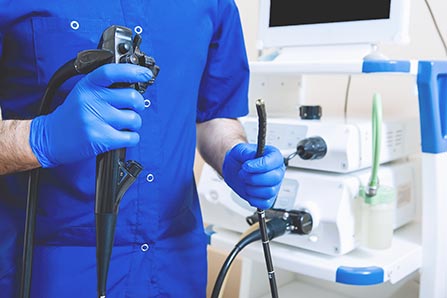
Gastroscopy in Singapore: What to Expect and When to Get One Persistent heartburn, reflux, indigestion, bloating, difficulty swallowing, unexplained weight loss, or recurrent upper abdominal discomfort can have many possible causes. When symptoms persist or require further evaluation, your doctor may recommend a “gastroscopy” to examine the upper digestive tract directly. A gastroscopy procedure allows a specialist to examine the oesophagus, stomach and duodenum using a flexible camera. It can help diagnose a range of conditions and, in some circumstances, allow treatment to be performed during the same procedure. This guide explains what a gastroscopy is, when you may need one, how to prepare, the different approaches to sedation, what the procedure can diagnose, and what to expect during gastroscopy recovery. What Is a Gastroscopy? Why Is It Recommended? A gastroscopy, also known as an upper endoscopy or oesophagogastroduodenoscopy (OGD), allows a doctor to examine the lining of the upper digestive tract directly. The gastroscope is a long, thin, flexible tube with a light and camera at its tip. It is passed through the mouth and into the oesophagus, stomach and duodenum, allowing the doctor to examine these areas in real time. During the procedure, the doctor can look for abnormalities such as inflammation, ulcers, bleeding, narrowing, polyps or other growths. Biopsies can also be taken when necessary for further laboratory assessment. Certain abnormalities can also be treated during the same procedure, such as selected polyps or areas of bleeding. How the Gastroscope Works The gastroscope is carefully guided through the mouth into the oesophagus, stomach and duodenum. The camera provides a magnified view of the digestive tract on a monitor. The instrument also contains channels through which small medical instruments can be passed. This allows the specialist to take tissue samples, remove selected polyps, or perform certain treatments without requiring a separate surgical procedure. Gastroscopy is therefore both a diagnostic and, in appropriate circumstances, therapeutic procedure. When Should You Get a Gastroscopy? The decision about when to get a gastroscopy depends on your symptoms, medical history, age, risk factors and previous investigations. A doctor may recommend gastroscopy for symptoms or findings such as: Persistent or recurrent heartburn or reflux symptoms Persistent indigestion or upper abdominal discomfort Difficulty swallowing (dysphagia) The sensation of food becoming stuck when swallowing Unexplained weight loss Persistent nausea or vomiting Vomiting blood or material resembling coffee grounds Black, tarry stools suggesting possible upper gastrointestinal bleeding Iron deficiency anaemia without an obvious cause Suspected or known ulcers Persistent symptoms requiring further investigation Gastroscopy may also be recommended when there are concerns about conditions affecting the oesophagus, stomach or duodenum, or when previous tests have not adequately explained a patient’s symptoms. For patients with persistent or concerning symptoms, consultation with a gastroenterologist in Singapore can help determine whether gastroscopy is appropriate. Preparing for a Gastroscopy Procedure Appropriate gastroscopy preparation is important for both patient safety and the quality of the examination. Your clinic will provide specific instructions before the procedure, including when to stop eating and drinking and how to manage your usual medications. Fasting Requirements You will generally need to fast for several hours before gastroscopy so that the stomach is sufficiently empty for the examination. The exact fasting requirements will depend on the type of procedure and sedation used. Patients should follow the specific instructions provided by their medical team rather than relying on general fasting times. Medication Review Your doctor will review your medications before the procedure. This is particularly important if you take blood-thinning medications, medication for diabetes, or other medicines that may affect the procedure or sedation. Do not stop prescribed medication unless specifically instructed to do so by your doctor. Arranging Transport If sedation or monitored anaesthesia care is used, you will need to arrange for someone to accompany you home after the procedure. You should follow the specific post-procedure instructions provided by your medical team regarding driving, work and other activities. Other Practical Considerations Before your gastroscopy, you should also: Inform your doctor about any medication allergies Provide details of your current medications Inform the medical team about relevant medical conditions Bring any previous investigation reports that may be relevant Gastroscopy Sedation: Throat Spray, IV Sedation and Monitored Anaesthesia Care Depending on the clinical circumstances and the patient’s preference, gastroscopy may be performed with local throat anaesthetic or with sedation. The most appropriate approach depends on factors such as the patient’s medical history, level of anxiety, the nature of the procedure and other clinical considerations. Throat Spray A local anaesthetic spray can be used to numb the back of the throat and reduce the gag reflex. You remain awake during the procedure, although you will not be able to speak while the gastroscope is in place. Intravenous Sedation Gastroscopy may also be performed with intravenous sedation. Medication is administered through an intravenous line to help the patient relax and improve comfort during the procedure. You may feel drowsy, but you may remain awake and responsive during the procedure. The level of sedation and monitoring will depend on the individual patient and the circumstances of the procedure. IV Sedation with Monitored Anaesthesia Care Gastroscopy at ELEVATE Gastroenterology can also be performed with intravenous sedation and monitored anaesthesia care under the supervision of an anaesthetist. This approach may involve a deeper level of sedation than standard IV sedation, with the level of sedation and monitoring tailored to the individual patient and the procedure, with appropriate attention to patient comfort and safety. If sedation or monitored anaesthesia care is used, you will need to remain under observation until you have recovered sufficiently. You should also follow the specific post-procedure instructions given by your medical team regarding driving, work and other activities. What Does Gastroscopy Diagnose? One of the main advantages of gastroscopy is that it allows the specialist to examine the upper digestive tract directly. A range of conditions diagnosed by gastroscopy can be identified or investigated, including: Gastroesophageal Reflux Disease (GERD) Gastroscopy can help assess the oesophagus for inflammation or other

Colon Cancer Screening in Singapore: Colonoscopy, FIT Tests & Specialist Care
Colon Cancer Screening in Singapore: Colonoscopy, FIT Tests & Specialist Care Colorectal cancer is the most commonly diagnosed cancer in Singapore when men and women are considered together. Despite this, many people delay screening because they feel well and do not experience obvious symptoms. However, most colon cancers develop for years without noticeable signs. This is one of the challenges of colorectal cancer: early disease can develop silently. Polyps and early cancers may cause few or no symptoms. By the time symptoms such as rectal bleeding, unexplained weight loss, or persistent changes in bowel habits occur, the disease may already be more advanced. The good news is that colorectal cancer is highly preventable when detected early. Various pathways for colorectal cancer screening in Singapore exist, including available subsidies and clear routes to specialist care, yet many are unsure where to begin. Choosing the right approach depends on your age, personal risk factors, medical history, and preferences for specialist-led care. Why Colon Cancer Screening Matters Most colorectal cancers develop gradually from abnormal growths called “polyps.” This process, known as the “adenoma-carcinoma sequence,” often takes many years. During a colonoscopy, an experienced endoscopy specialist can identify and remove these polyps before they become cancerous. This is why colonoscopy is considered both a diagnostic and preventive procedure. Rather than waiting for symptoms to appear, screening allows problems to be identified earlier, when treatment options and outcomes are generally more favourable. For individuals at risk, early consultation with a gastroenterologist in Singapore can help determine the most appropriate screening strategy. Colon Cancer Screening Age: When Should You Start? The appropriate colon cancer screening age depends on whether you are considered average risk or higher risk. Average Risk Individuals Average risk generally applies to individuals who: Although colorectal cancer remains more common with increasing age, rates among younger adults have been rising in many countries. As a result, several international guidelines now recommend that average-risk screening begins at age 45. In Singapore, screening recommendations may vary depending on local public health guidance, individual risk factors, family history, and the screening approach chosen. Screening options may include: FIT testing, stool test kits, and colonoscopy. If you are unsure of your screening pathways, a consultation with a gastroenterologist in Singapore can help determine the most appropriate screening plan based on your circumstances. Higher Risk Individuals Earlier assessment may be appropriate for individuals with: High-risk individuals may require screening earlier than standard recommendations, often with colonoscopy as the preferred assessment tool. Patients with concerns about their personal risk should discuss their situation with a specialist experienced in colorectal disease and endoscopic assessment. Understanding Your Screening Options: FIT Test & Colonoscopy There are two major approaches to colorectal cancer screening in Singapore: the FIT test and Colonoscopy. The right choice depends on individual risk factors, preferences, and medical advice. Here are the differences: 1. FIT Test: A Simple, Non-Invasive First Step The Faecal Immunochemical Test (FIT) is a non-invasive screening test that detects microscopic blood in stool. Using a stool test kit, patients can collect samples at home without undergoing bowel preparation or an invasive procedure. Advantages include: However, FIT testing has limitations. A positive result simply means blood is present, which could be due to benign polyps, haemorrhoids, or inflammation, and does not necessarily diagnose cancer. It inherently requires a follow-up assessment, commonly through colonoscopy, to accurately assess the cause of bleeding. 2. Colonoscopy: Diagnosis and Prevention in One Procedure A colonoscopy allows an experienced specialist to examine the entire large intestine using a flexible camera. An experienced colonoscopy specialist in Singapore can: Because it can diagnose and treat in one visit, colonoscopy remains central to colorectal cancer prevention. For patients seeking a thorough assessment, particularly those with risk factors, symptoms, previous polyps, or abnormal FIT results, specialist-led colonoscopy provides a comprehensive approach. Understanding when to get a colonoscopy versus FIT testing is key to making informed healthcare decisions. Why Some Patients Choose Private Gastroenterology Care Singapore has a well-established healthcare system with both public screening programmes and private specialist services. The most appropriate pathway depends on an individual’s eligibility, medical needs, risk factors, and personal preferences. Still, many Singapore residents, professionals, expatriates, and international patients choose private specialist gastroenterology care due to distinct advantages, including: A private gastroenterologist in Singapore can provide individualised advice rather than a one-size-fits-all solution. This can be particularly valuable for patients who have complex medical histories, prefer direct specialist consultation, require a second opinion, or want their procedure performed by a specialist they have personally consulted. Moreover, a private gastroenterologist clinic may also provide smoother coordination with insurance providers, employer healthcare plans, and overseas medical coverage for international patients and expatriates. Screening Pathways in Singapore: Public Programmes and Private Specialist Care Singapore has a well-established healthcare system with both public screening programmes and private specialist services. The most appropriate pathway depends on an individual’s eligibility, medical needs, risk factors, and personal preferences. Screen for Life Singapore and Subsidised Health Screening Under HPB screening guidelines, eligible Singapore citizens may access structured screening programmes. These may include: FIT testing through participating clinics, free FIT kits for eligible individuals, and follow-up pathways after abnormal results. Patients may proceed through subsidised health screening pathways, such as a polyclinic colonoscopy referral, for further assessment within the public healthcare system. Colonoscopy Cost in Singapore: Understanding Fees and Coverage When evaluating colonoscopy cost in Singapore, the fees vary based on various factors, such as the public or private setting, specialist and facility fees, sedation requirements, as well as whether a laboratory test is required or whether polyps are removed. When comparing private vs public hospital fees, patients should consider not only cost but also: For financing and coverage: Nevertheless, it is always recommended to check with your provider regarding pre-authorization for an insurance claim for a colonoscopy. Choosing the Right Specialist for Colonoscopy and Cancer Screening When searching for a colorectal specialist in Singapore, Many patients wonder which type of specialist is most appropriate for colonoscopy, screening, or

